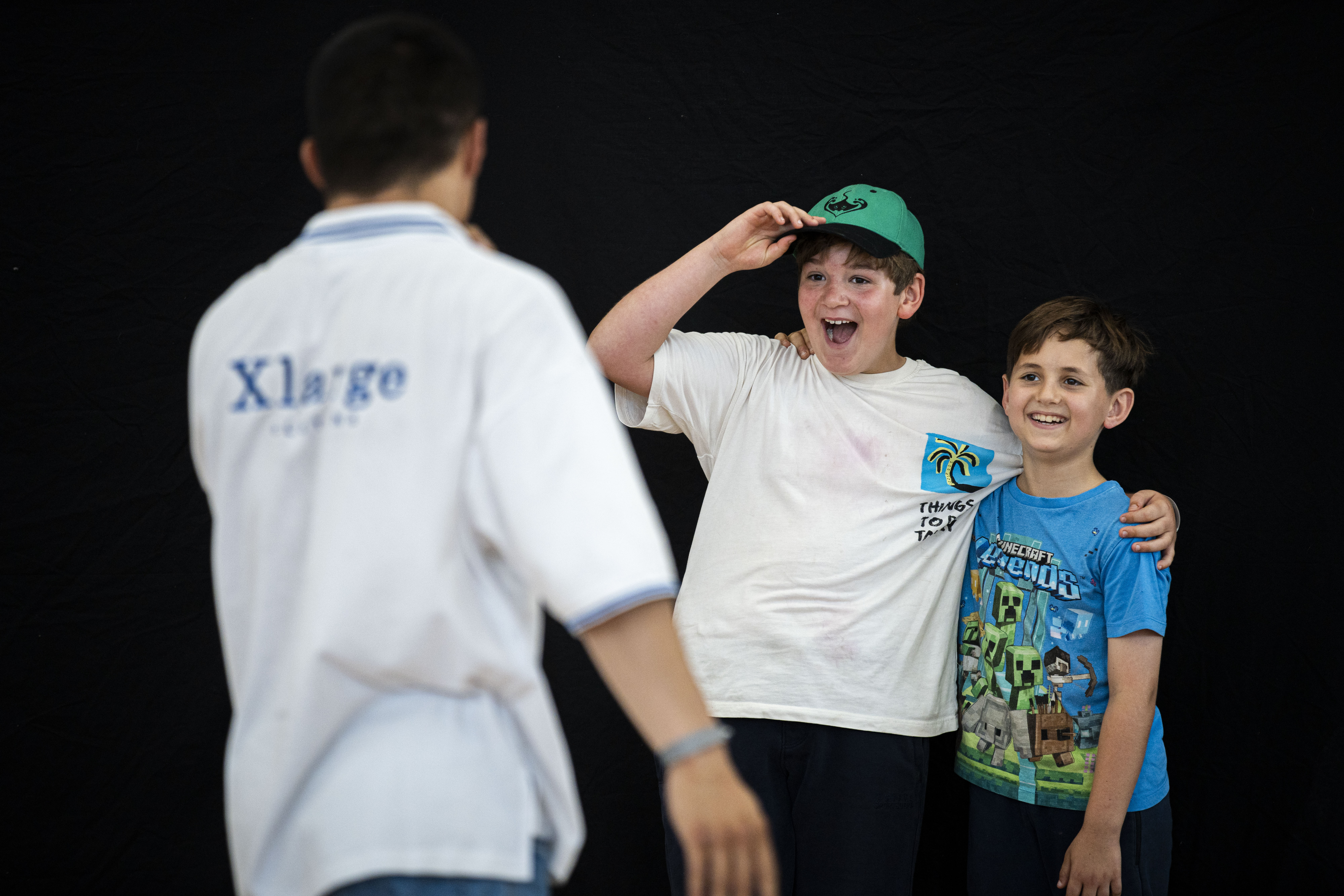
By the end of this post, I want you to consider something: the student sitting in front of you today could be shaping education policy in thirty years. What they experience in your school — what makes them feel seen, challenged and alive — matters more than we can imagine.
I’ll come back to that.
For now, let me tell you what I’ve learned whilst driving up tree-lined approaches, signing in at dozens of reception desks and teaching Street Styles dance in some of the finest independent schools in the country.
1. Every driveway is a reminder

There’s something about the approach to some independent schools that always hits. Long driveways, grand buildings, immaculate grounds. For some, it might feel intimidating but for me, it’s truly energising. It reminds me that I’m supposed to be here and that there’s a greater mission at work beyond the lesson plan.
Bringing Street Styles dance into these spaces isn’t just a timetable addition. It’s an introduction of something culturally vital into environments that have the reach, the resource and the influence to amplify it far beyond their gates.
2. Students will arrive in one of three camps — and most won’t know what Street Styles actually are

Ask a room of new students what they’re expecting from a Hip Hop dance class and you’ll typically hear one of these three answers: they want to learn Commercial dance, they want to Breakdance, or they simply want to learn “choreography” (often K-Pop).
Very few will arrive with any real understanding of Street Styles — HipHop, Popping, Lite Feet, Waacking and a laundry list of other styles that appear in popular culture. However, this can be cause for excitement!
That gap between expectation and reality means some students will drift away early. And that’s okay. Because the ones who stay, who push through the unfamiliar and start to feel their own improvement? They become something else entirely. Which brings me to my next point.
3. Street Styles dance has a quiet power to reach the unreachable
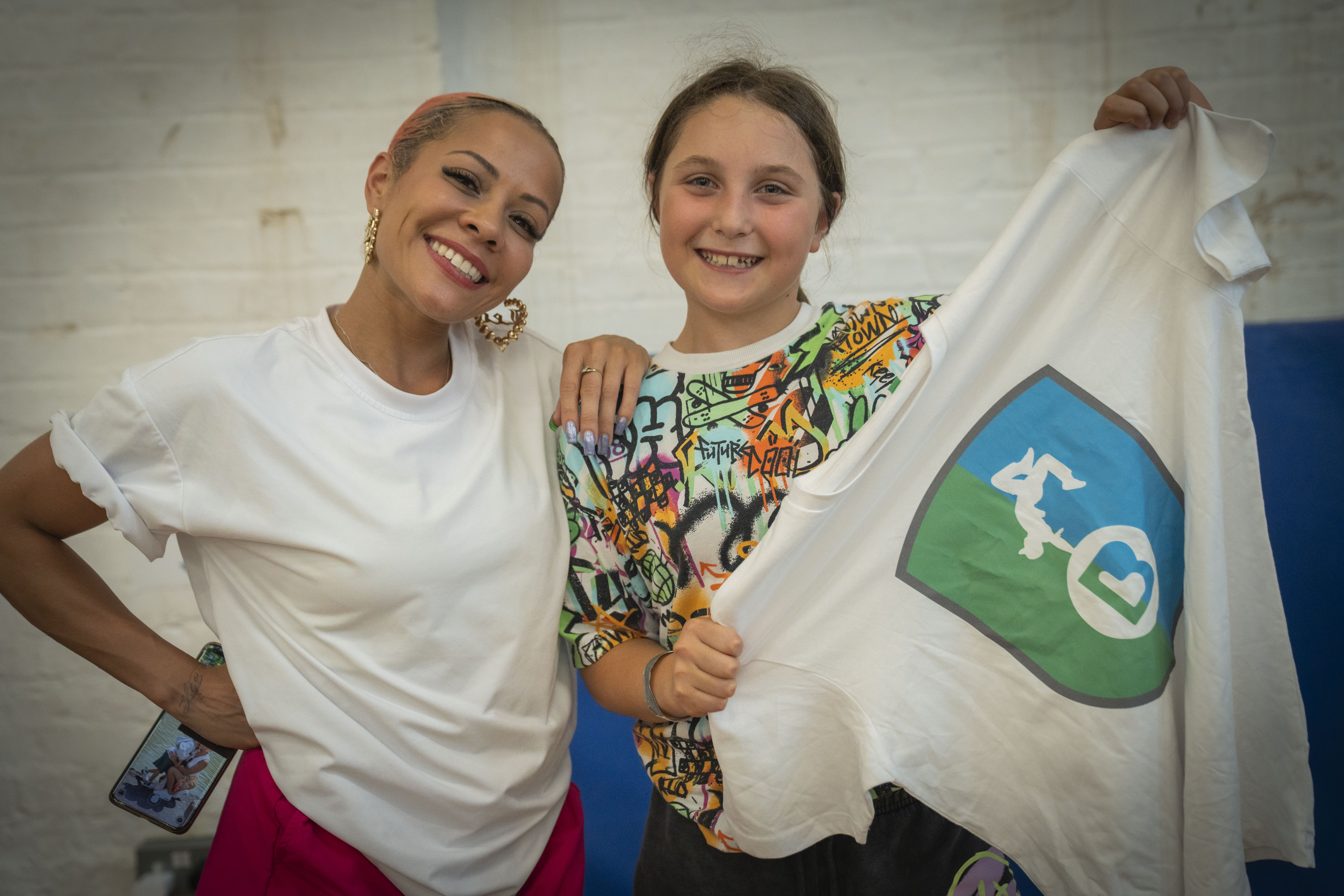
In the last year alone, we have had students who were disengaged from school life — some barely attending curriculum classes, some on the verge of needing intervention — find genuine grounding in our classes, because of something intrinsic to what Street Styles are.
Once you understand the technique, you are encouraged to be yourself. To find your own style. To own it. In a school environment full of right answers and measurable outcomes, that kind of licence can be rare. Our students feel seen and valued. And when hard work yields an instant, energetic reward — as it does in Hip Hop — something shifts.
4. There is no existing culture — and that is your first obstacle
At almost every independent school we work with, Street Styles dance arrives as something entirely new. No history, no reference point, no older students with experience to pass the culture down.
That means we’re not just teaching dance. We’re building culture from scratch, term by term. Teaching Hip Hop dance at independent schools, we knew, was going to be uncommon.
The schools most ready for us are those that genuinely champion new discoveries — where leadership is curious and students are encouraged to explore. In those environments, our presence is felt, right up the chain to Senior Leadership. In others, we earn our place gradually.
In either instance, the turning point is almost always the same….
5. One performance changes everything

You can describe Street Styles dance a hundred different ways. One can share videos, write programme descriptions, speak to parents at open evenings. But nothing makes an impact like live performance.
Once students take to a stage and an audience witnesses who they’ve become, something shifts in the room. Scepticism softens. Questions become curiosity. And a culture that didn’t exist six months ago suddenly has a foundation.
6. The journey to the studio is an important part of the session
Independent schools are typically well-equipped — purpose built performance spaces, decent sound systems, rooms designed for exactly what we do. The logistics, on that front, are rarely a problem. Often, students need to be collected from one place and walked to the studio as a group, and therein lies a special opportunity.
That walk is where you check the temperature of the students — who’s energised, who’s distracted, who had a hard day. By the time you reach the studio, you already know what kind of session you’re walking into. The pay-off is magnified when you remember you’re asking them to bring their ‘whole selves’ to the class..
7. The timetable can be your most unpredictable opponent

By teaching in independent schools, one accepts that you will lose sessions to things you cannot control. Bank holidays swallow Mondays. Weekend escapes thin out Fridays. Away sports fixtures absorb Wednesday afternoons without warning. And that’s before you factor in:
- Exams
- School Trips
- Charity Days
- And the multiple layers of a busy school calendar
The lesson we’ve learned is this: term dates are a constraint, but constraints are clarifying. They force you to deliver what matters within a fixed window and there’s something exhilerating about that.
8. Impressions count
Independent schools have high expectations. Not always spoken, but always felt. Acknowledging this has helped us to improve.
- Arriving well-groomed and well-prepared
- We communicate clearly and professionally
- We write reports when required, and share feedback with relevant staff. This alone has helped some young people, as mentioned in discovery 3
- We manage sensitive cultural history with care, play clean music and keep good time.
Here’s what we’ve found: that discipline doesn’t limit our offering, it sharpens it. Term by term, the standards we hold ourselves to have quietly made us better at what we do. And we can still teach ‘The Realness’.
9. ‘Viral’ is not always ‘valid’…

..But it can be!
Remember B-Girl Raygun? Or, going back further, The ‘Harlem Shake’ phenomenon?
Every viral moment, every misconception, every dance meme is an open door into a much deeper conversation. It’s a chance to show expertise, to provide context, to introduce the real history and culture behind what they’ve glimpsed on a screen.
Students who ask our opinion on a trending dance video often leave enlightened, with a greater appreciation for the history behind clip. This is part of the teaching and finding common ground with the curious is a great state for learning.
10. Getting through the door is the hardest step of all
Everything I’ve described above — the culture-building, the turnaround students, the performances that shift a room — none of it happens unless if you’re stuck at the gate.
And it can be hard to get through.
Without a recommendation, a personal connection or some other fortunate route, independent schools can feel like closed circles. We have months of data on outreach that went unanswered. Approaches that felt promising and then went quiet. The gap between what we offer and what a school is willing to explore on faith alone is real, and it takes patience, persistence and occasionally a stroke of luck to bridge it.
We share this because honesty about the difficulty is part of the story. The work is worth doing. The door is worth knocking on. But don’t mistake the quality of your offering for a guaranteed invitation. Not all things are for all people.
So. Back to where we started.
The student in your school today — the one who found their footing in a dance class when nothing else sparked them, the one who learned what it means to move with intention and express with honesty — that student is going somewhere.
We can’t know where. But we believe, genuinely, that if the young people being educated in your schools experience what inclusive, expressive, culturally rich spaces can do — if they feel it in their bodies and carry it with them — some of them will remember.
And some of those people will one day be in rooms where decisions are made for us all. So let’s allow them to feel something real 🙂
To learn more about our Dance in Schools program, email Jenia@b-better.org.uk. Thanks for reading!
Damien